Roof replacement in Elizabeth, NJ priced against published state figures, with the question nobody answers settled first: whether your building needs a permit at all, or whether the work is ordinary maintenance.
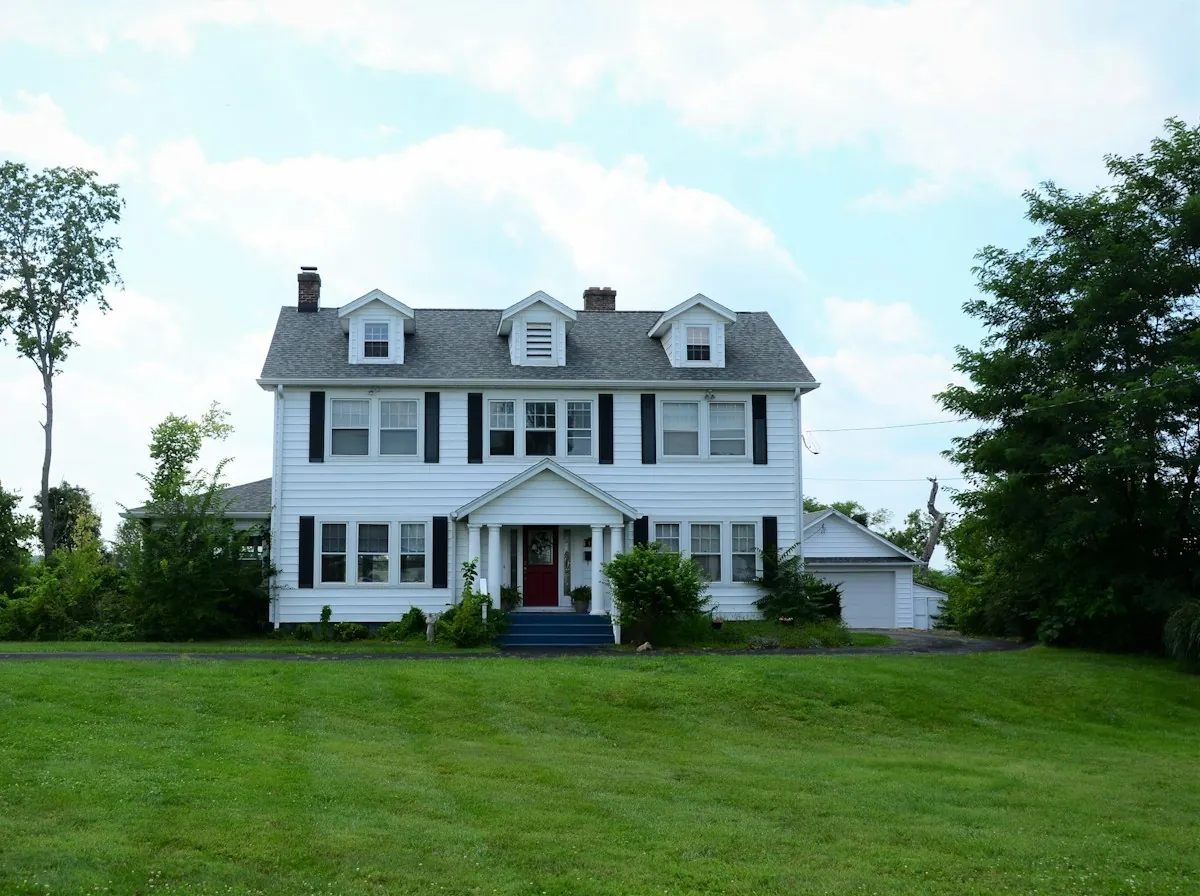
The first question on an Elizabeth roof is not the covering, it is the building. A detached one- or two-family house having its covering replaced is ordinary maintenance under the state Uniform Construction Code: no permit, no notice, no inspection. An attached house or a three-family is not, and in this city that answer changes from street to street.
An architectural asphalt roof in New Jersey runs $9,500 to $26,000, and on a typical 2,000 square foot house most people pay $12,000 to $18,000 installed. Those are state figures, not national ones, and the gap matters: a national calculator will read low here because northern-climate detailing is not optional.


Those are New Jersey figures for an architectural asphalt roof, and on a typical 2,000 square foot house most people pay $12,000 to $18,000 installed. If an online calculator quoted you far less, it was almost certainly a national average -- northern-climate detailing is not optional here and it is not free. Two things move an Elizabeth quote before the roof does. Whether the building is detached, attached or three-plus units, which decides whether you are waiting on a permit. And access, because a frontage that has to carry material up and waste down is labor that a suburban quote does not contain.
A simple roof shape, somewhere to put a dumpster, a deck that turns out sound, three-tab where it genuinely suits the house, and a detached building so there is no permit to wait on.
An attached building or three units and up, so the work is permitted. No side access, so everything moves through the frontage. Decking that has to come out rather than be made good. A cut-up roof with dormers and valleys.
How decking replacement is priced. It should be a rate per sheet in the written scope, because nobody knows how much has softened until the covering is off -- and a quote that states a lump figure has guessed in one direction or the other.
The jobs this one usually turns into, each with a price.
Across the city this is the lane most often misunderstood.
Architectural shingle installs at $5.50 to $8.00 per square foot in New Jersey against $4.50 to $6.50 for three-tab, and on an Elizabeth roof that spread is the difference between two quotes that look otherwise identical.
Low slope is everywhere in this city -- rear extensions, porch roofs, whole roofs on older attached stock.
Standing seam runs $10 to $19 per square foot in New Jersey, roughly double architectural shingle.
A building with three or more dwelling units is outside ordinary maintenance whatever its roof needs, so across Elizabeth a multi-family roof is permitted work from the start.
It comes up twice in what people search for here, and it is Florida's. What actually decides this in New Jersey is simpler.
Florida Building Code, Existing Building, section 706.1.1: not more than a quarter of a roof area repaired, replaced or recovered in twelve months unless the whole system is brought up to current code. It is quoted nationally because it sounds like a principle. It is not New Jersey law and nobody here has to comply with it.
Look away from the leak. If the covering across the rest of the slope still lies flat, still holds its granules and is not brittle, the roof has life in it and the repair is the right job. A failed flashing, a split upstand or a lifted course is hundreds of dollars, and each is routinely produced as proof the whole roof is finished.
Two coverings is the practical ceiling. A roof already at two is a tear-off whatever anybody quotes. It takes two minutes to check at the rake edge and it is the fastest way to tell whether the quotes in front of you are describing the same job.
On an attached house a repair can be ordinary maintenance while the replacement is permitted work -- so the smaller job is also the faster one. That is worth knowing on a marginal roof. It should not decide a clear one.
Free inspection, the permit position in writing, then a written quote. No obligation, no curbside numbers.
Tell us the address and whether the house is detached, attached or has more than two units. That one answer already tells us whether this is permitted work, which is usually the first thing you want to know.
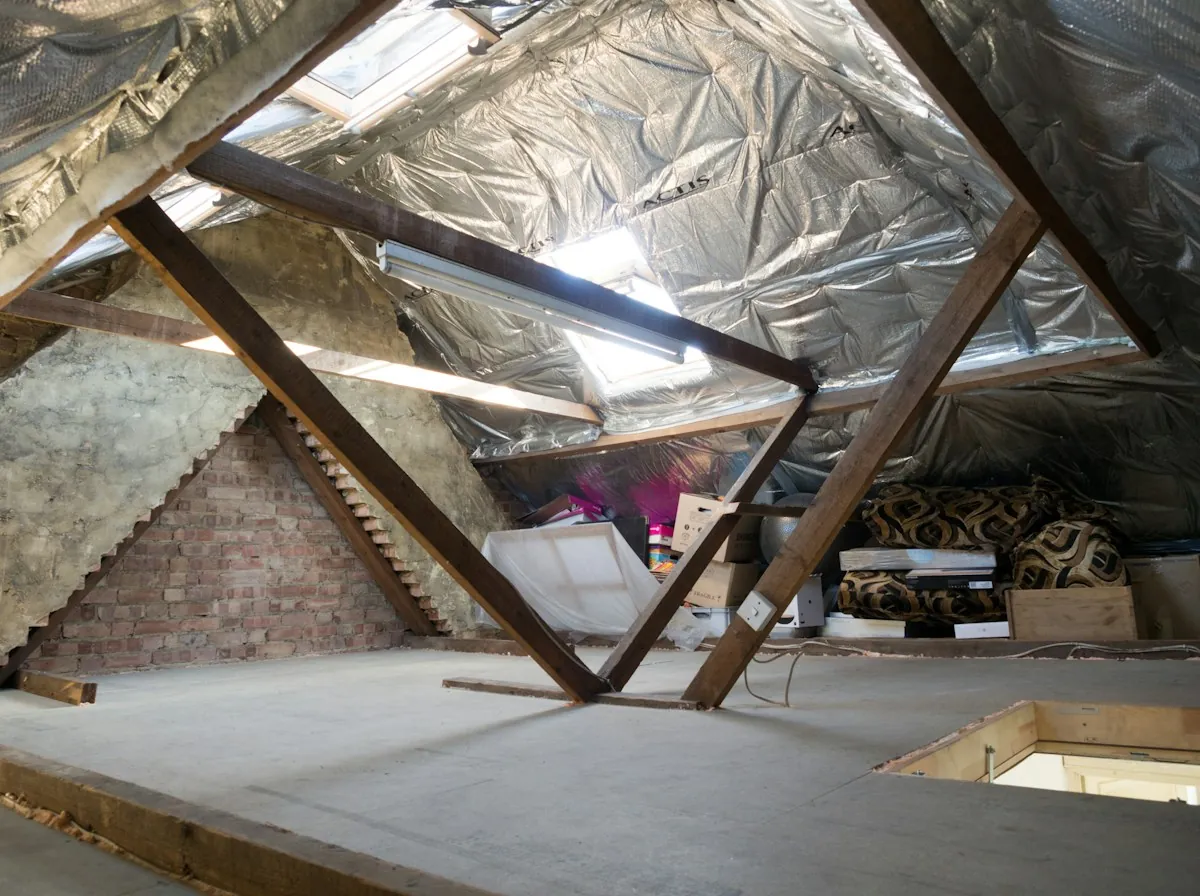
Both together. The covering tells you what has happened; the underside of the deck and the eaves tell you how far it has got and whether an ice barrier was ever there. Layer count gets checked at the rake edge while we are up.
Named details, not 'replace roof'. Ice barrier coverage, drip edge, underlayment, nailing, and decking priced per sheet. The permit position is stated in writing, including when the honest answer is that none is needed.
Frontage and waste route agreed before the day, nails swept, and a before-and-after set that is yours to keep whatever you decide to do next.
Two of them are specific to New Jersey, and the first one catches more than you would expect.
New Jersey registers home improvement contractors rather than licensing roofers, and the number belongs on every advert and contract. The register is public. Note the wording too: the code says not to call it a license, so a New Jersey roofer advertising their roofing 'license' is telling you something about how closely they read the rules.
Detached one- or two-family is ordinary maintenance -- no permit, no inspection. Attached, or three units and up, is not. A quote that says nothing about which of those your building is has skipped the first question of the job.
Both are invisible once the roof looks finished and both are what gets you through February. Coverage at the eaves and the nailing pattern are measurable lines on a scope. 'Replace roof' is not a scope.
Three-tab versus architectural, a tear-off versus an overlay, and a decking allowance versus a lump guess each move the price by thousands. A cheaper quote is often a lesser roof rather than a better deal.
No figure should be given without the roof and the roof space being looked at. We do not quote at the curb and we do not quote from a photograph alone -- and a price offered before either is an opening position, not a quote.
New Jersey classifies repair or replacement of an existing roof covering on a detached one- or two-family dwelling as ordinary maintenance, under N.J.A.C. 5:23-2.7. Ordinary maintenance requires no permit, no notice to the enforcing agency and no inspection. If you own a detached house and you are putting new shingles where old shingles were, that is the whole answer.
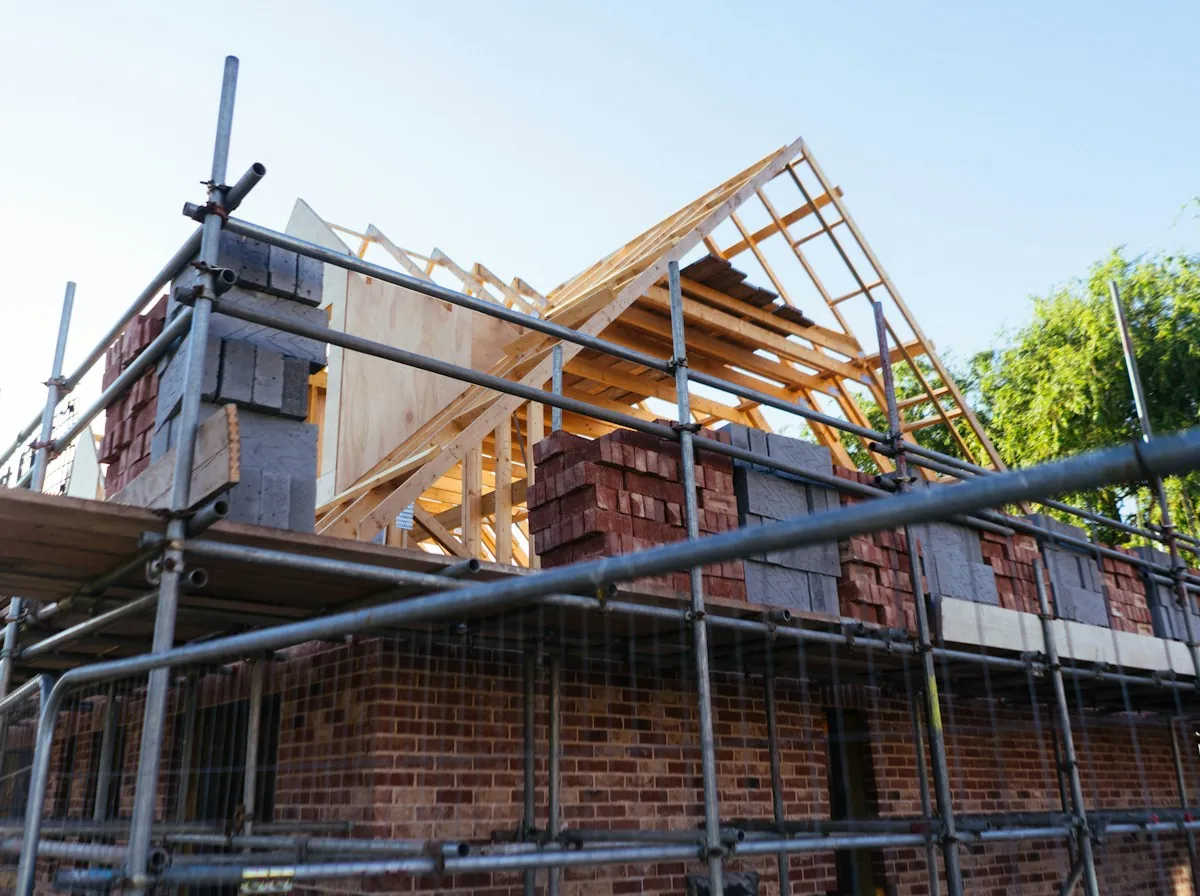
An attached dwelling is outside it. A row house, a twin or a townhouse needs a construction permit even for like-for-like work, and so does any building with three or more units. So does anything structural: rafters, trusses, a change of pitch, or decking coming out wholesale because it has rotted rather than being made good.
In this city that is not a technicality. Whole neighborhoods here are attached, two- to four-family stock, so the answer flips from street to street and sometimes from one half of a twin to the other. It is the first thing we establish on a survey, it is stated in the written scope, and it is not something a homeowner should be left to discover from an inspector.

New Jersey's fourth largest city and one of its oldest European settlements, running from the Elizabeth River down to the tidal water at the Arthur Kill. Dense and overwhelmingly pre-1960, mixing detached one- and two-family houses with attached rows, twins and a large share of two- to four-family buildings.
The first question on any Elizabeth roof is whether the building is detached, attached or has three or more units, because that decides whether the job is permitted work at all. The answer changes street by street here, which is why it gets established on the survey rather than assumed from the ZIP code.
Elizabeth's housing spans more building eras and more dwelling types than anywhere else in Union County, which is exactly why one answer about permits does not cover the city.

Elizabeth neighborhood by neighborhood, plus Hillside and Roselle. The housing changes character every few streets and so does the permit answer.
The most detached part of the city. Often no permit.
Two-family houses, sitting exactly on the line.
Close-set stock, and the rear extension question.
Two- to four-family. Assume a permit and be right.
Waterfront wind. It finds the edge detail first.
Detached township, and a different construction office.
Wide plots, so the city's access costs disappear.
The questions that decide this job, answered before you have to ask them.
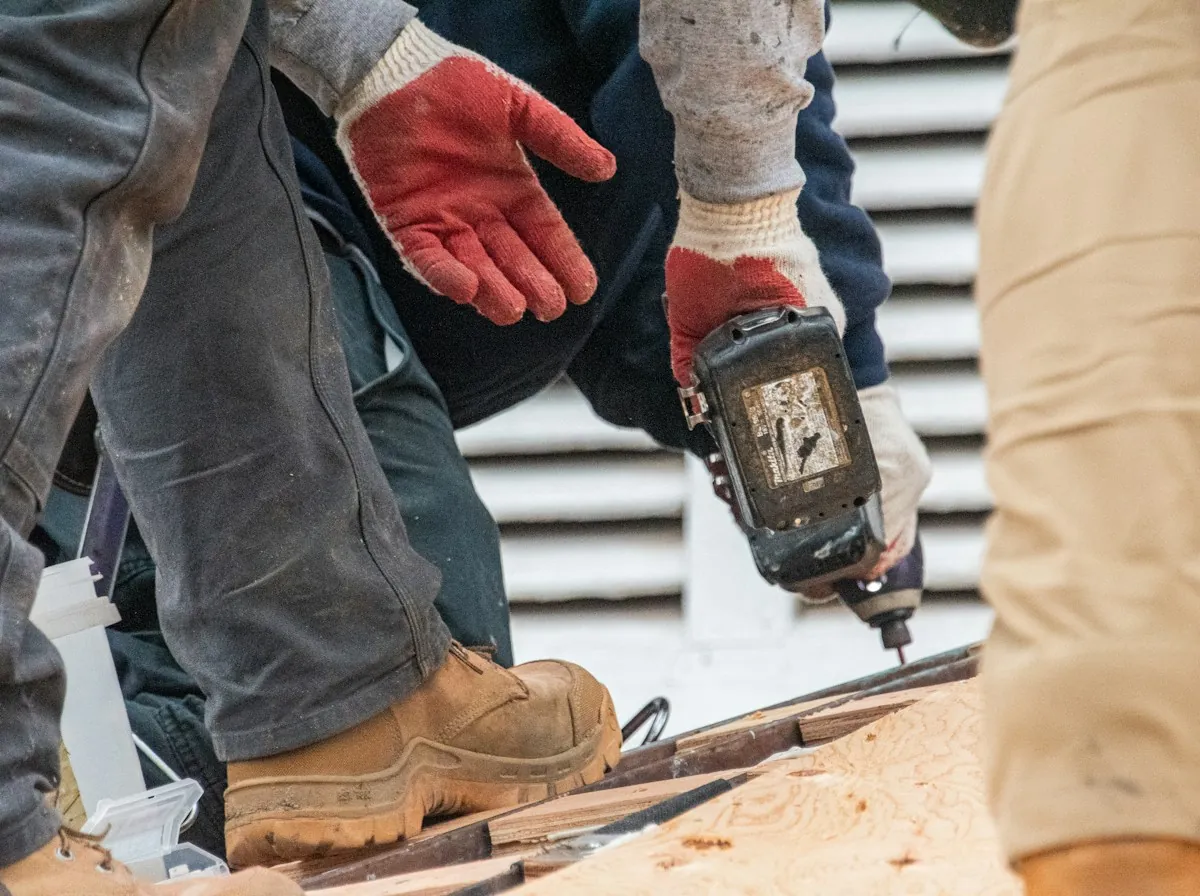
Only where it has actually softened, and it is priced as a rate per sheet in the written scope rather than a lump guess. Nobody can tell you how much needs replacing before the covering is off, and a quote that claims to has guessed. Note that wholesale decking replacement for rot also takes the job out of ordinary maintenance, so it changes the permit answer too.
Only if you are on one layer and the deck is sound. Two coverings is the practical ceiling, and an overlay also buries the eaves detail -- so if there was never an ice barrier down there, an overlay guarantees there still is not. That is the wrong saving in this climate.
An architectural asphalt roof in New Jersey runs $9,500 to $26,000, and on a typical 2,000 square foot house most people pay $12,000 to $18,000 installed. Per square foot that is $5.50 to $8.00 for architectural shingle and $4.50 to $6.50 for three-tab. National calculators read low here because northern-climate detailing is not optional.
It is Florida Building Code, Existing Building, section 706.1.1: not more than 25 per cent of a roof area may be repaired, replaced or recovered in any twelve-month period unless the whole system is brought up to current code. It is quoted all over the country because it sounds universal. It is not New Jersey law, and in New Jersey the question that decides your job is whether your dwelling is detached.
Not automatically. Age tells you to look, not what to do. A twenty-year-old architectural roof that still lies flat, still holds its granules and has sound flashings can have years left; a twenty-year-old three-tab on a shaded northern slope may be finished. What settles it is the condition of the field away from any failure, and the number of layers already up there.
Free inspection, a written quote, and the permit question answered before anybody talks about shingles.